Introduction
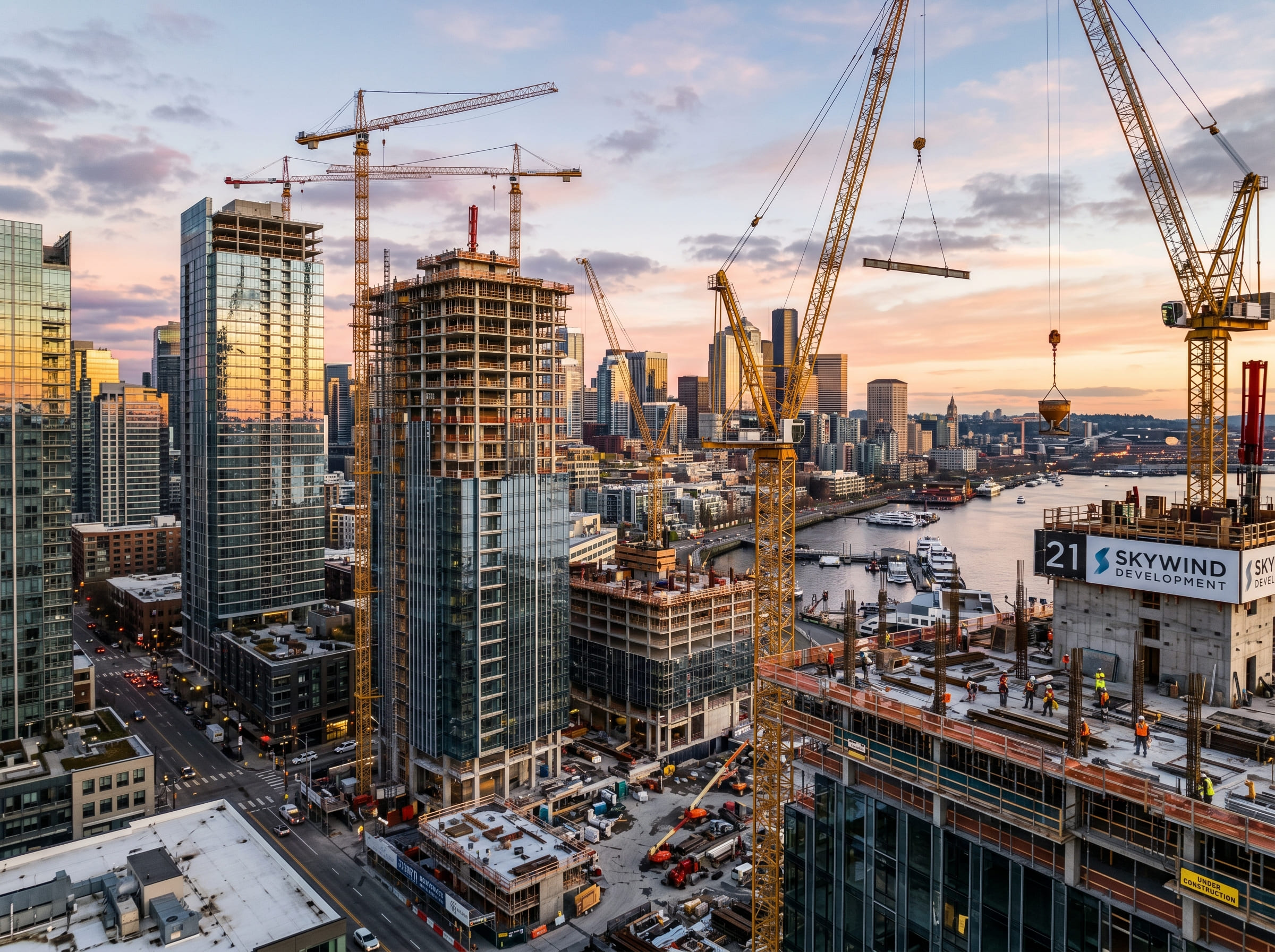
The construction industry is rapidly evolving, driven by innovation, sustainability, and modern engineering practices. Today’s projects require more than just traditional building methods—they demand efficiency, precision, and advanced planning to meet global standards.
Modern Construction Trends
One of the biggest shifts in the industry is the adoption of smart construction technologies. From Building Information Modeling (BIM) to AI-powered project management tools, contractors are now able to plan and execute projects with greater accuracy and reduced waste.
Sustainable construction is also becoming a major priority. Builders are increasingly using eco-friendly materials, energy-efficient systems, and green building designs to reduce environmental impact while improving long-term durability.
Importance of Quality Materials
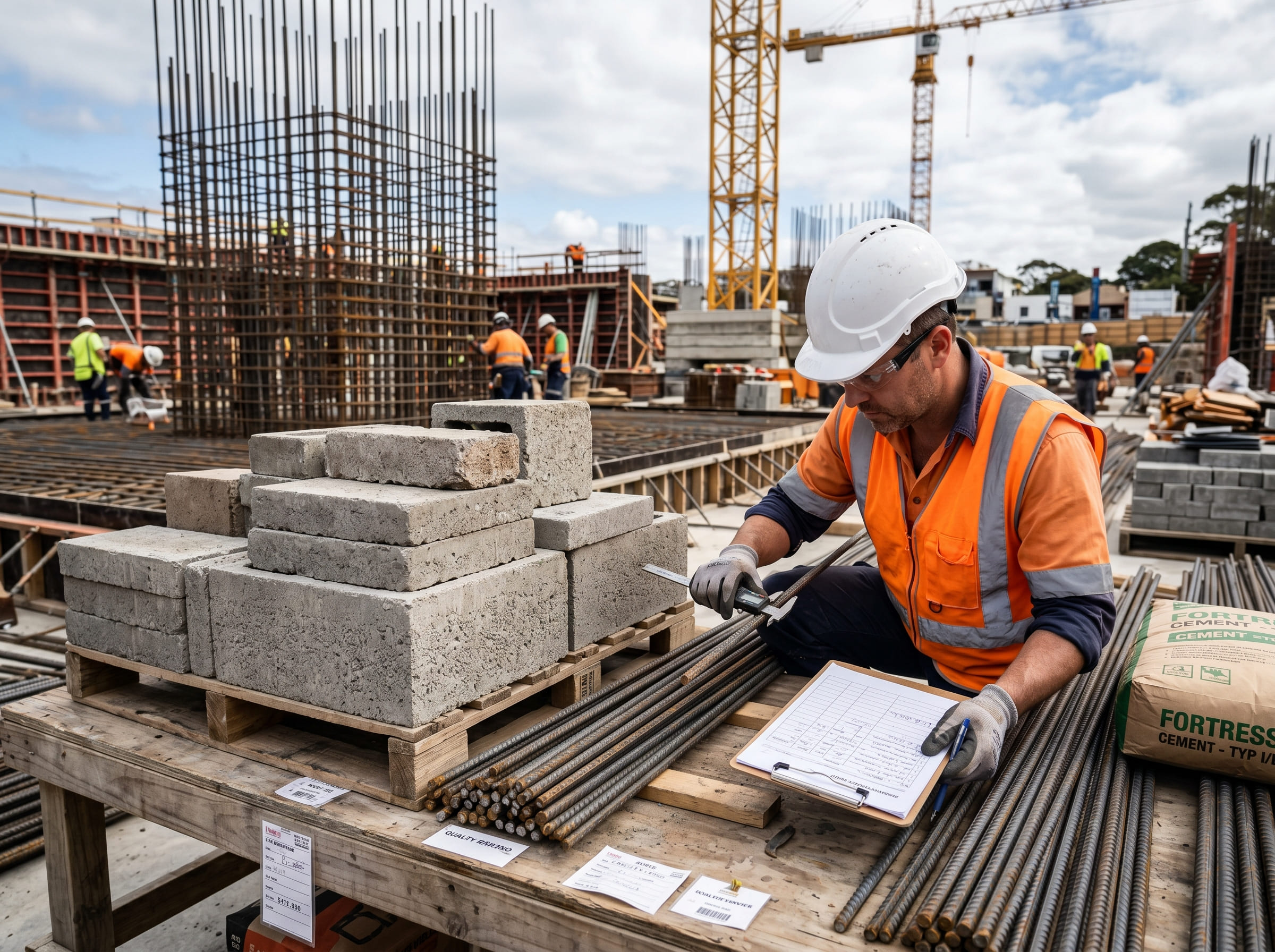
The success of any construction project depends heavily on the quality of materials used. High-grade cement, steel, wood, and finishing materials ensure structural strength, safety, and longevity. Poor-quality materials may reduce initial costs but often lead to expensive repairs in the future.
Project Planning and Execution
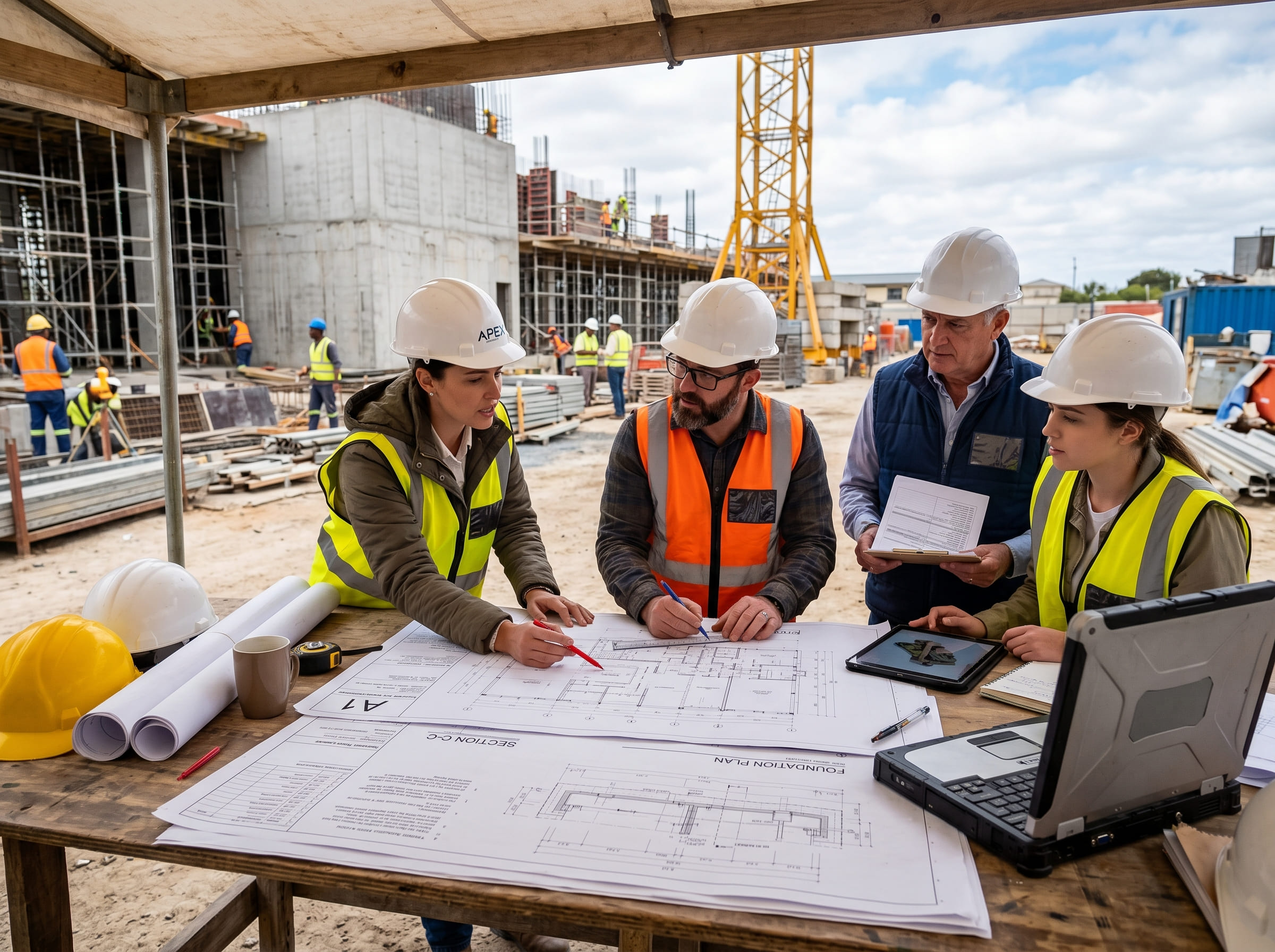
Proper planning is essential for successful construction projects. This includes site analysis, budgeting, architectural design, and scheduling. Effective coordination between engineers, architects, and contractors ensures smooth execution from foundation to completion.
Conclusion
Modern construction is no longer just about building structures—it is about creating smart, sustainable, and long-lasting environments. Companies that embrace innovation and quality standards are better positioned to deliver exceptional results in today’s competitive market.